In this article
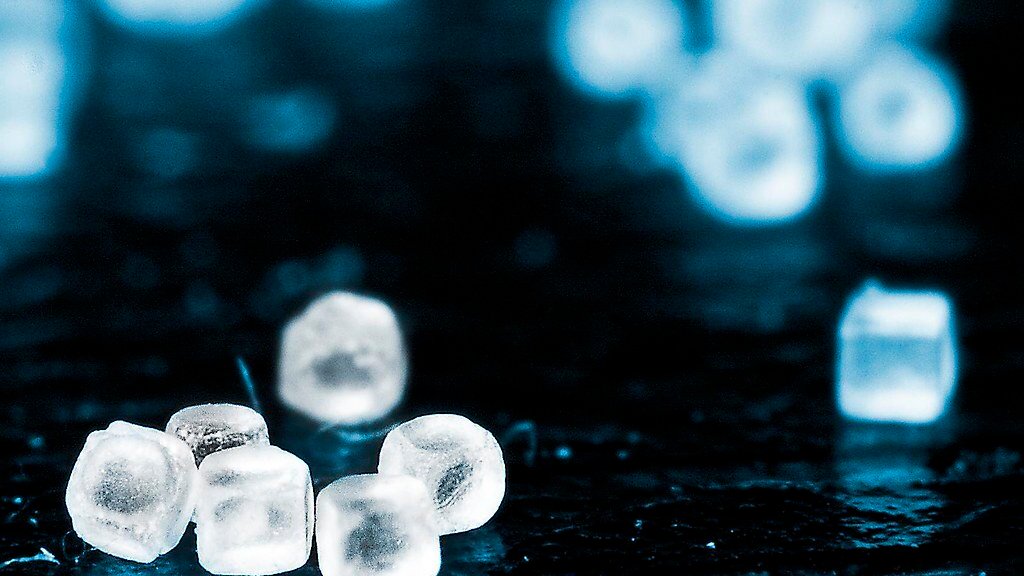
Salt dissolves in water because water molecules pull its charged particles apart. Table salt is made of sodium and chloride ions, held together by ionic bonds. Diamond, by contrast, is one giant web of covalent bonds that water cannot break. The type of bond decides almost everything about how a substance behaves.
Key facts
- Salt (sodium chloride) is an ionic compound: positive sodium ions and negative chloride ions.
- 36 grams of salt dissolves in 100 grams of water at 25°C, but only 0.065 grams in 100 grams of ethanol, according to PubChem.
- Diamond and sand are covalent network solids: very hard, with very high melting points, and they do not dissolve in water.
- Salt water conducts electricity; sugar water does not, because sugar does not split into ions.
The three main types of chemical bond
| Bond type | What holds it together | Everyday example | Typical properties |
|---|---|---|---|
| Ionic | Attraction between positive and negative ions | Table salt | Hard, brittle, high melting point; conducts when melted or dissolved |
| Covalent network | Atoms sharing electrons in one huge web | Diamond, sand (silicon dioxide) | Very hard, very high melting point, does not conduct |
| Metallic | Metal atoms in a “sea” of shared electrons | Copper wire | Shiny, bendable, conducts heat and electricity |
| Molecular (covalent molecules) | Strong bonds inside molecules, weaker forces between them | Sugar, ice | Softer, lower melting points, usually does not conduct |
Why does salt dissolve in water?
According to OpenStax Chemistry, ionic solids such as salt are rigid and brittle with high melting points, which shows the ionic bonds are strong. Yet “most ionic solids, however, dissolve readily in water”.
The reason is the shape of the water molecule. Water is polar: its oxygen end carries a slight negative charge and its hydrogen ends a slight positive one. When salt drops into water, the negative ends of water molecules crowd around the positive sodium ions, and the positive ends crowd around the negative chloride ions.
OpenStax calls this an ion-dipole attraction. As its section on electrolytes explains, the water molecules surround the ions and reduce the strong forces between them, so the ions separate and spread evenly through the water. Chemists call this dissociation.
Why salt dissolves in water but not in oil
Oil molecules are non-polar: they have no charged ends to grab the ions. So the ions stay locked together. Even ethanol, which is only weakly polar, dissolves very little. PubChem lists salt’s solubility at 36.0 grams per 100 grams of water at 25°C, but only 0.065 grams per 100 grams of ethanol: more than 500 times less.
Why diamonds and sand don’t dissolve
Diamond and sand belong to a different family. OpenStax describes them as covalent network solids: every atom is linked to its neighbours by shared-electron bonds in one continuous web. To dissolve or melt one, you would have to break huge numbers of strong covalent bonds. Water’s weak pull is nowhere near enough. That is also why diamond is so hard.
Why sugar dissolves but salt water conducts electricity
Sugar also dissolves in water, but in a different way. Sugar molecules separate from each other, yet each molecule stays whole. No charged particles are released, so sugar water does not conduct electricity. Salt water does, because the sodium and chloride ions are free to move and carry charge.
| Substance | Bond type | Dissolves in water? | Solution conducts electricity? |
|---|---|---|---|
| Table salt | Ionic | Yes, readily | Yes |
| Sugar | Molecular | Yes | No |
| Sand | Covalent network | No | n/a |
| Diamond | Covalent network | No | n/a |
| Copper | Metallic | No | n/a (but the solid metal conducts) |
Try it in your kitchen
- Stir a teaspoon of salt into a glass of warm water. It disappears within a minute.
- Stir a teaspoon of salt into cooking oil. It sinks and stays as grains.
- Repeat with sugar in water. It dissolves too, but if you had a simple conductivity tester, only the salt water would light it.
- Try sand in water. However long you stir, it never dissolves.
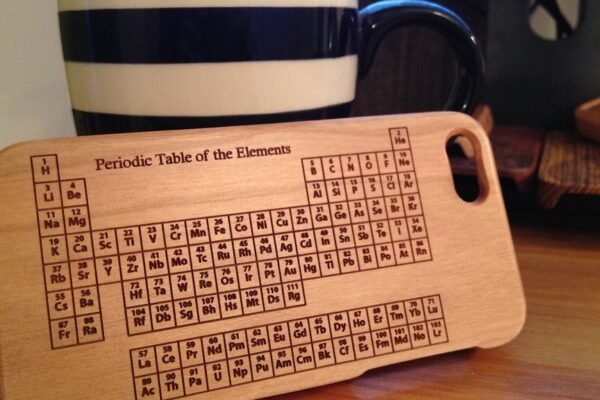
To see why atoms bond the way they do, read why the periodic table has that odd shape and how scientists proved atoms exist.
Frequently asked questions
Why does salt dissolve in water?
Water molecules are polar. Their charged ends pull positive sodium and negative chloride ions away from the crystal and surround them, so the salt breaks up into ions spread through the water.
Why does salt dissolve in water but not oil?
Oil is non-polar, so it cannot attract the charged ions in salt. The ions stay bonded together in the crystal.
Which is stronger, ionic or covalent bonds?
It depends on the substance. Covalent network solids like diamond are extremely strong. Individual covalent bonds inside molecules are strong too, but the forces between molecules can be weak.
Why does salt water conduct electricity?
Because dissolved salt releases free-moving ions that carry electric charge. Sugar water does not, because sugar stays as whole, uncharged molecules.
Browse more in our Chemistry section.