In this article
Most goods that cross borders travel by sea, and much of that traffic must squeeze through a few narrow passages. Shipping companies call them chokepoints. Most people never think about them until one closes.
In 2026 that is exactly what happened. Since late February, commercial traffic through the Strait of Hormuz has almost stopped, and oil prices have jumped. This guide explains why a few stretches of water matter so much, and what governments and businesses do to cope.
Key facts
- Malacca was the busiest oil route in early 2025, carrying about 23.2 million barrels a day.
- Hormuz carried about 20.9 million barrels a day in the same period, around a quarter of seaborne oil trade and a fifth of the world’s liquefied natural gas.
- Since 28 February 2026, traffic through Hormuz has been largely halted. Brent crude passed $100 on 8 March and peaked around $126.
- 10 to 14 days: the extra time a ship needs to sail from Asia to Europe around Africa instead of through the Suez Canal.
What makes a chokepoint
A chokepoint is a narrow channel on a major sea route with no easy alternative. Because so many ships use it, anything that blocks it (a war, an accident, a drought or piracy) forces vessels to wait or take far longer routes. The main ones are:
| Chokepoint | Connects | Why it matters |
|---|---|---|
| Strait of Malacca | Indian Ocean and Pacific | Shortest route between the Middle East and East Asia; busiest oil route |
| Strait of Hormuz | Persian Gulf and Arabian Sea | Only sea exit for most Gulf oil and Qatar’s gas |
| Suez Canal and Bab el-Mandeb | Mediterranean, Red Sea and Indian Ocean | Shortest route between Asia and Europe |
| Panama Canal | Atlantic and Pacific | Key link for US East Coast trade with Asia |
| Turkish Straits | Black Sea and Mediterranean | Exit for grain and oil from Russia, Ukraine and Kazakhstan |
The US Energy Information Administration tracks oil flows through these routes. In the first half of 2025 about 23.2 million barrels of oil a day passed through Malacca, around 29 percent of seaborne oil trade, and about 20.9 million through Hormuz.
2026: what happens when Hormuz closes
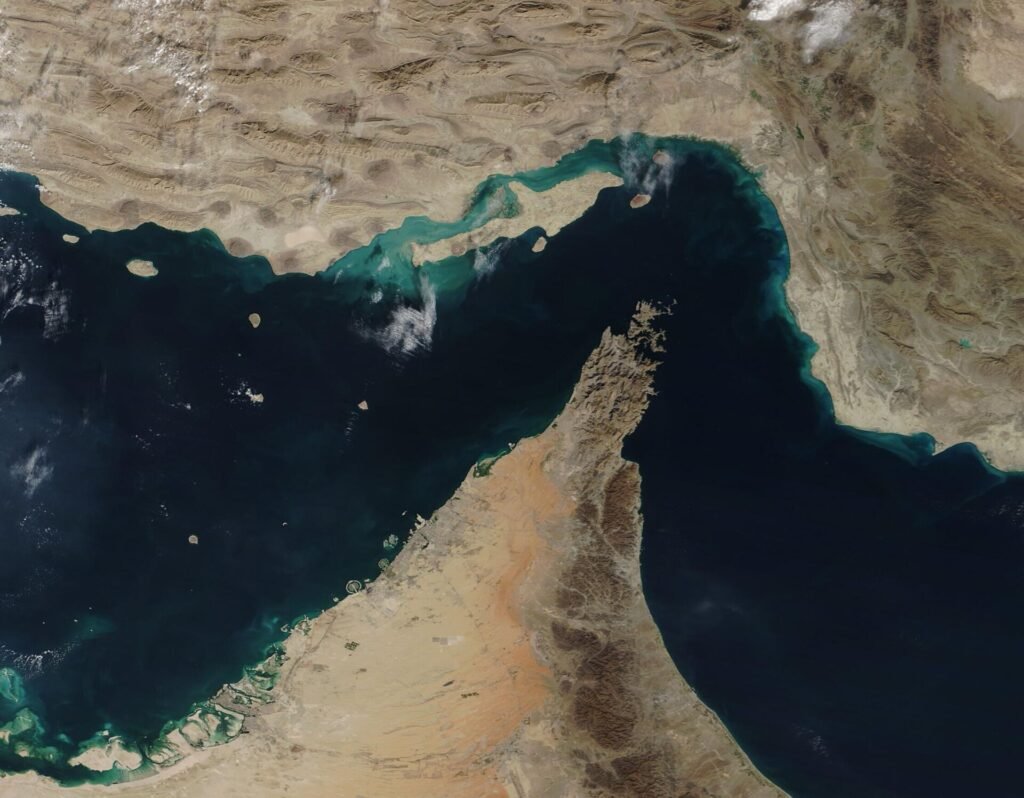
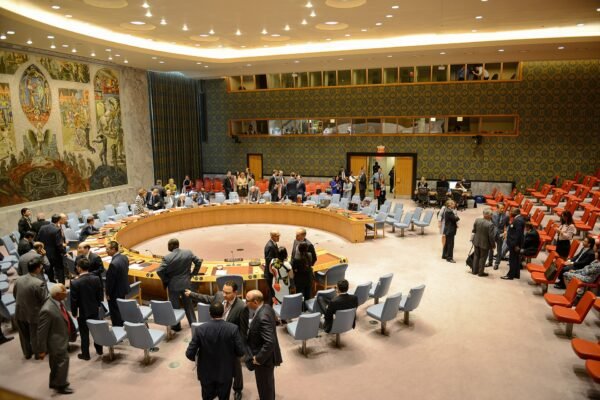
On 28 February 2026, after US and Israeli air strikes on Iran, Iran’s Revolutionary Guards warned ships away from the strait, attacked and boarded vessels and laid mines. Traffic that normally averaged around 85 ships a day fell to almost nothing, according to transit data from IMF PortWatch. A Gulf-drafted Security Council resolution to protect shipping was vetoed by China and Russia in April.
The effects spread quickly. Brent crude rose above $100 a barrel on 8 March for the first time in four years and peaked at about $126. March 2026 saw the largest monthly rise in oil prices on record. Countries that rely most on Gulf energy were hit hardest: China had received about a third of its oil through the strait, and Europe about 12 to 14 percent of its liquefied natural gas from Qatar.
Higher energy costs feed into inflation, which is one reason several central banks raised interest rates in 2026, as we explain in our guide to what interest rate decisions mean for your household.
What Interest Rate Decisions Mean for Your Household
The other routes under strain
Suez and the Red Sea
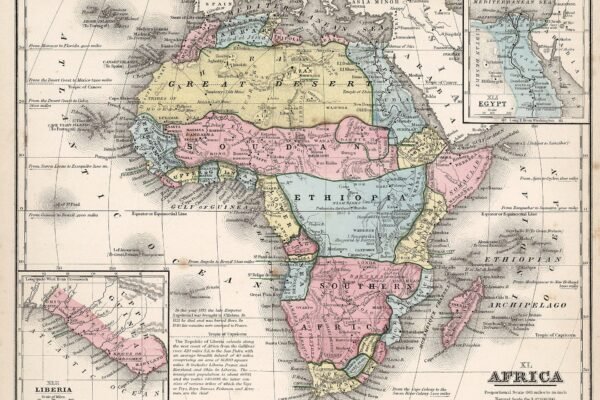
From late 2023, attacks on ships in the Red Sea pushed many carriers to sail around Africa’s Cape of Good Hope. That adds roughly 10 to 14 days to an Asia-Europe voyage. By 2026 some lines had returned to the Suez route, but many sailings still go around the Cape.
Panama
In 2023 and 2024 a severe drought lowered the lakes that feed the Panama Canal’s locks, forcing the canal authority to limit daily transits and how deeply ships could load. It showed that climate, not just conflict, can close a chokepoint.
Suez in 2021
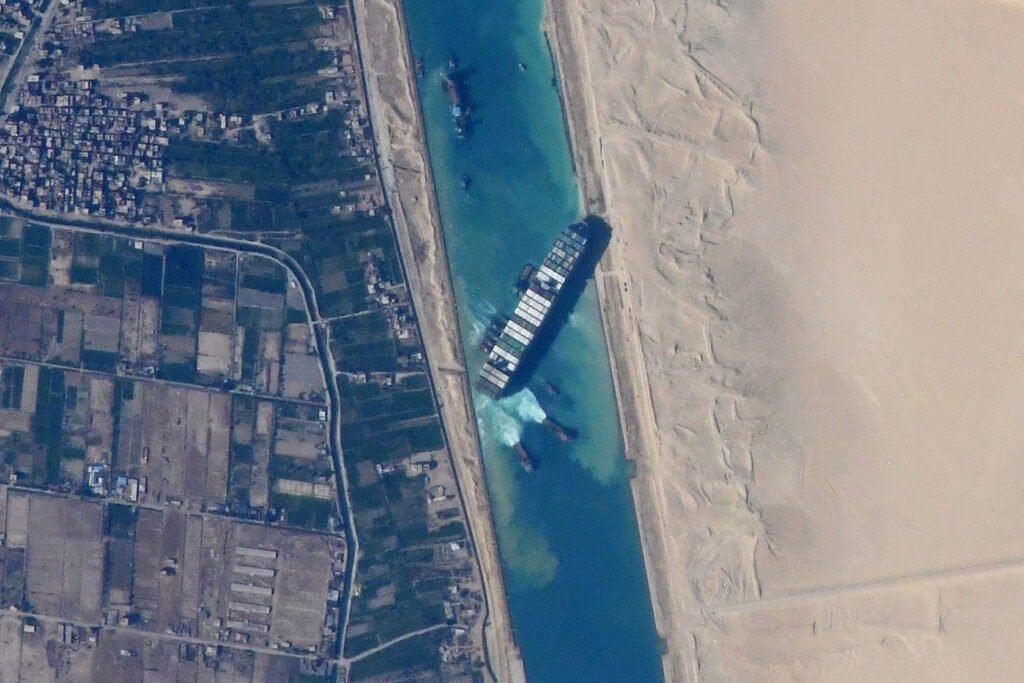
The most famous single accident came in March 2021, when the container ship Ever Given ran aground and blocked the Suez Canal for six days, holding up hundreds of vessels.
Why a distant strait affects your shopping
When ships wait or take longer routes, they burn more fuel, need more crew days and pay higher insurance. Those costs flow into freight rates and then into prices for fuel, food and manufactured goods. Longer voyages also mean each ship completes fewer trips a year, which reduces the world’s effective shipping capacity.
How the world prepares
- Strategic reserves: many governments hold emergency oil stocks that can be released during a supply shock.
- Pipelines: Saudi Arabia and the United Arab Emirates have pipelines that carry some oil to ports outside the Gulf, though they cannot replace all the volume that normally passes through Hormuz.
- Naval patrols: countries escort ships and clear mines to keep lanes open.
- Business planning: companies diversify suppliers and hold more stock, a shift described in our article on how small businesses are rethinking supply chains.
The bottom line
Chokepoints show how tightly the global economy is connected. Efficiency and resilience pull in opposite directions: the shortest route is cheapest until it closes. The 2026 Hormuz crisis is a reminder that a few kilometers of water can move prices in every country.
Frequently asked questions
What is the busiest shipping chokepoint?
By volume of oil, the Strait of Malacca between Malaysia, Singapore and Indonesia, which carried about 23.2 million barrels a day in the first half of 2025. By value of container trade, the Malacca and Suez routes are both among the most important.
Why can’t ships simply avoid the Strait of Hormuz?
For most oil and gas from Kuwait, Qatar, Iraq, Bahrain and much of Saudi Arabia and Iran, there is no other sea exit. Pipelines to the Red Sea and the Gulf of Oman can carry only part of the normal volume.
Do chokepoint problems affect prices everywhere?
Yes. Oil is traded on world markets, so a supply shock in one region raises prices globally. Longer shipping routes also raise freight costs for many other goods.
Sources
- US Energy Information Administration: Maritime chokepoints critical to petroleum markets
- Wikipedia: 2026 Strait of Hormuz crisis (summary with references)
- Al Jazeera: How much oil is going through Hormuz? (3 September 2026)
- Straits.live: Strait of Hormuz daily status (IMF PortWatch data)
- UN Meetings Coverage: veto of Strait of Hormuz draft resolution, 7 April 2026
- Hellenic Shipping News / Drewry: Red Sea diversion tracker