In this article
Opinion: this column reflects the author’s views, not necessarily those of World Elev. Facts cited are sourced below.
The news now moves at the speed of a notification. Stories appear, are updated, contradicted and forgotten within hours. In that rush, something valuable is being lost: the time it takes to get things right.
The numbers behind this column
- 37% of people across 48 countries say they trust most news most of the time, the lowest since the Reuters Institute began measuring in 2015.
- 42% say they sometimes or often avoid the news.
- 54% now use social media and video networks for news, more than the 51% who use news sites and apps directly.
Being first versus being right
Competition rewards speed. The first outlet to publish gets the clicks and the shares. But early reports are often incomplete, and corrections rarely travel as far as the original claim. Readers are left with impressions that outlast the facts.
The cost shows up in trust. The Reuters Institute’s Digital News Report 2026, based on surveys in 48 countries, found that only 37 percent of people trust most news most of the time, the lowest level since the survey began in 2015. More than four in ten say they sometimes or often avoid the news altogether.
What slow journalism offers
Slow journalism is not a genre so much as a habit: taking days or weeks rather than minutes, speaking to more people, reading the documents, and explaining context. It is less exciting than breaking news, but it ages far better.
- Verification: time to check claims with more than one source.
- Context: explaining why something happened, not only what happened.
- Proportion: judging how important a story really is, instead of reacting to how loud it is.
- Accountability: following up weeks later to see whether promises were kept.
A story that is right tomorrow is worth more than one that is wrong today.
What it looks like in practice
Slow journalism can be a months-long investigation into how a public contract was awarded. It can be a reporter returning a year after a disaster to ask what happened to the promised rebuilding money. It can simply be an explainer that sets out, calmly and clearly, what a new law does and does not change. In each case the value comes from time spent checking, asking and listening.
Readers notice. The outlets that invest in this kind of work tend to build loyal audiences who trust them, and trust is exactly what the wider news industry is struggling to keep.
The platforms have changed the rules
For the first time, the Reuters Institute found that more people get news through social media and video networks (54 percent) than directly from news websites and apps (51 percent). On those platforms, speed and emotion are rewarded; careful explanations are easy to scroll past. That makes it harder, but also more important, for publishers to resist the race.
In Praise of Reading Past the Headline
What readers can do
- Choose a few sources that explain rather than merely announce, and visit them directly.
- Be patient with developing stories. The first version is rarely the full picture; that is why we argue for reading past the headline.
- Pay for journalism you value, if you can. Careful reporting is expensive.
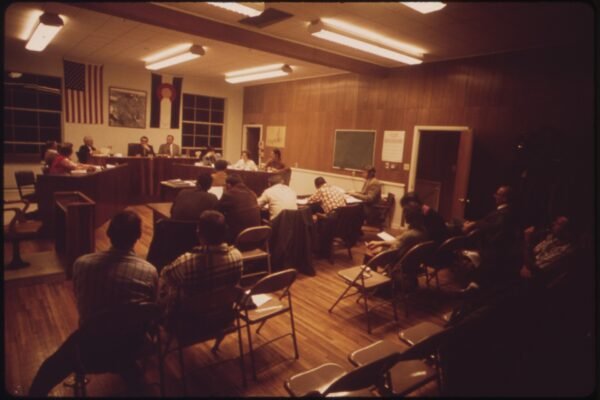
- Support the slowest and most local reporting of all: your local newspaper.
A balance, not a rejection
Breaking news will always matter, especially in emergencies. The argument here is not against speed, but for giving a fair share of attention to the slower work of understanding. At World Elev, that is the kind of explainer we try to write, from how the UN Security Council works to how to read opinion polls.